Every year since 2013 I have written a consolidated report to the various landowners, primarily the Wiltshire Wildlife Trust and Forestry England, to show the annual catches by site and then a consolidated picture across the Braydon Forest. The dates chosen are to ensure that we encapsulate each full season, rather than splitting the winter in two. It gives a better overall picture.
Those of you that regularly read my blog will know most of the sites: Wiltshire Wildlife Trust reserves at Blakehill Farm, Ravensroost complex and the Firs plus Forestry England sites at Red Lodge, Somerford Common complex and Webb’s Wood. I wouldn’t say it is a labour of love: it is hard work but Forestry England are very generous in supporting my efforts, and I like to show my appreciation.
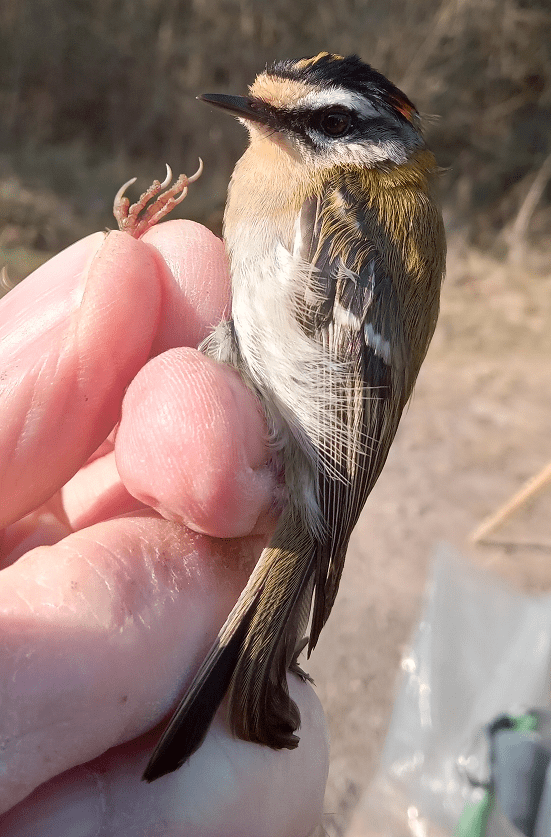
In that period we had some real highlights. From a single species point of view: for the first time ever we caught three Firecrest in the year, one each in Ravensroost Wood, Somerford Common West and Webb’s Wood. The ones in Somerford and Webb’s were first for the site, the Ravensroost one was the second for the site.
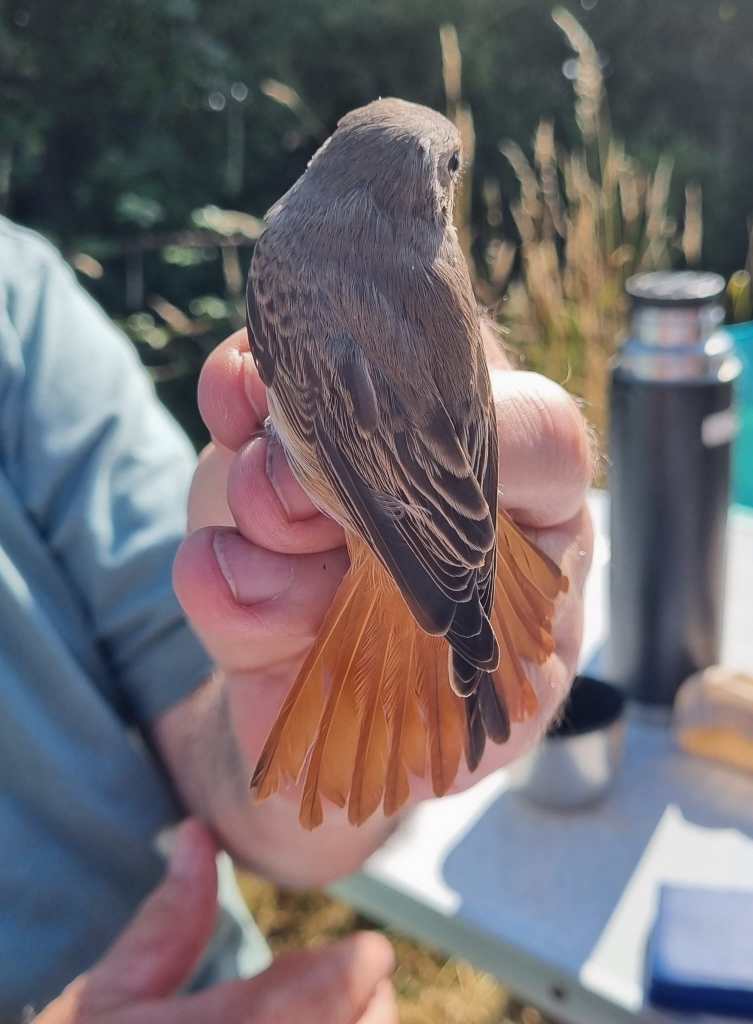
Another unprecedented catch was on the 13th August, when we caught three juvenile Redstart at Ravensroost Meadow complex. Before that we had only caught nine of them, never in consecutive years, with all of them being at Blakehill Farm, where we expect to catch most of our autumn migrants. We did catch two in August 2023, but never three, and never at Ravensroost.
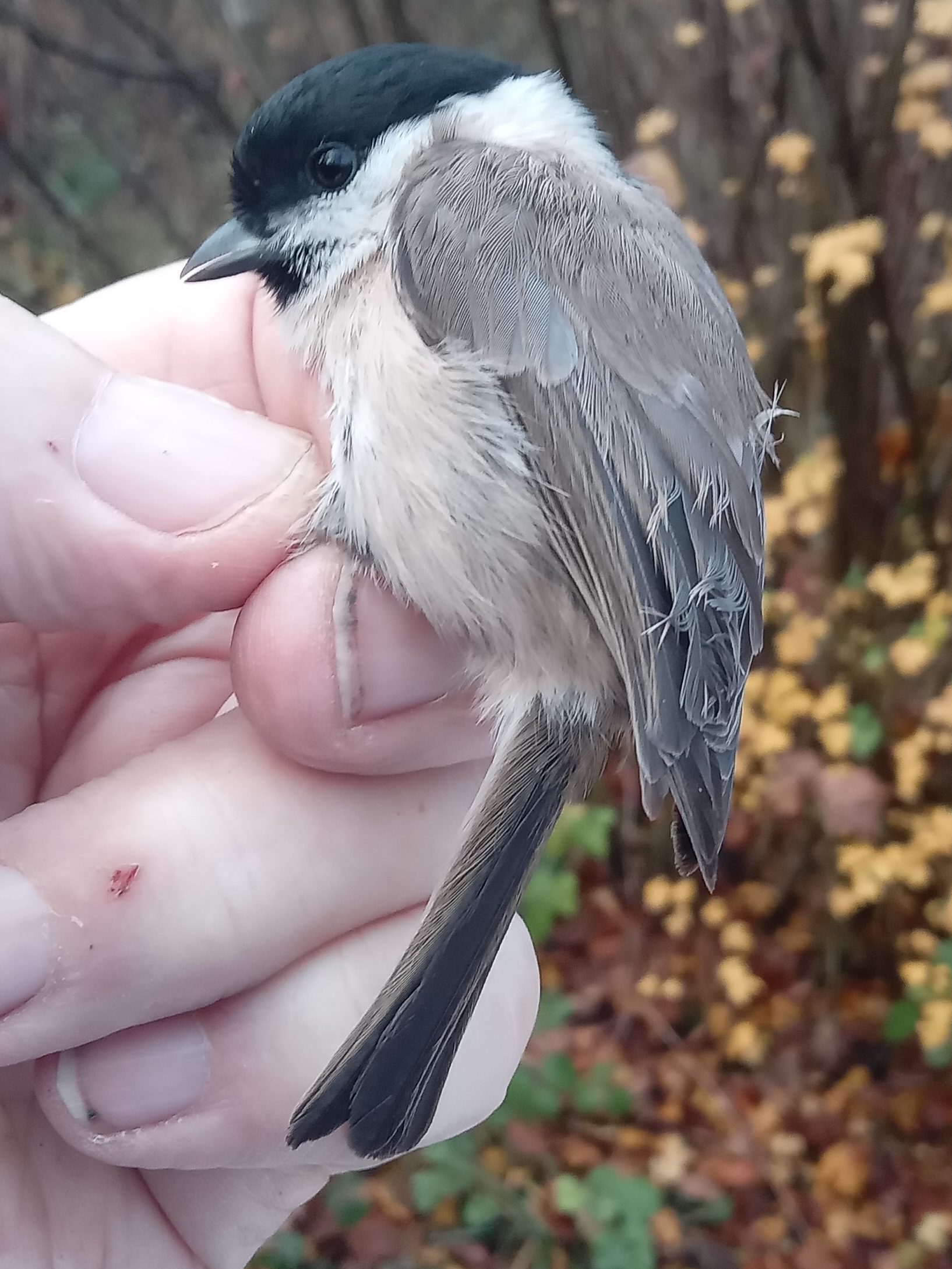
However, as previously reported, 2025 was a great year for Marsh Tits in the Braydon Forest. When we look at the consolidated picture of this report, it is even better: we ringed 41 of them in the period and we processed a total of 51 individual birds. A remarkable year, considering our previous best was 44 individuals processed in 2017/18 and 29 ringed in 2019/20. We found 13 adults in breeding condition in 2025. The previous best was seven in 2017, it is usually just two or three. We ringed 28 juveniles in 2025, compared the the previous best of 23 in 2019, and a yearly average of 15. I hope for more of the same this year, and it has started well.
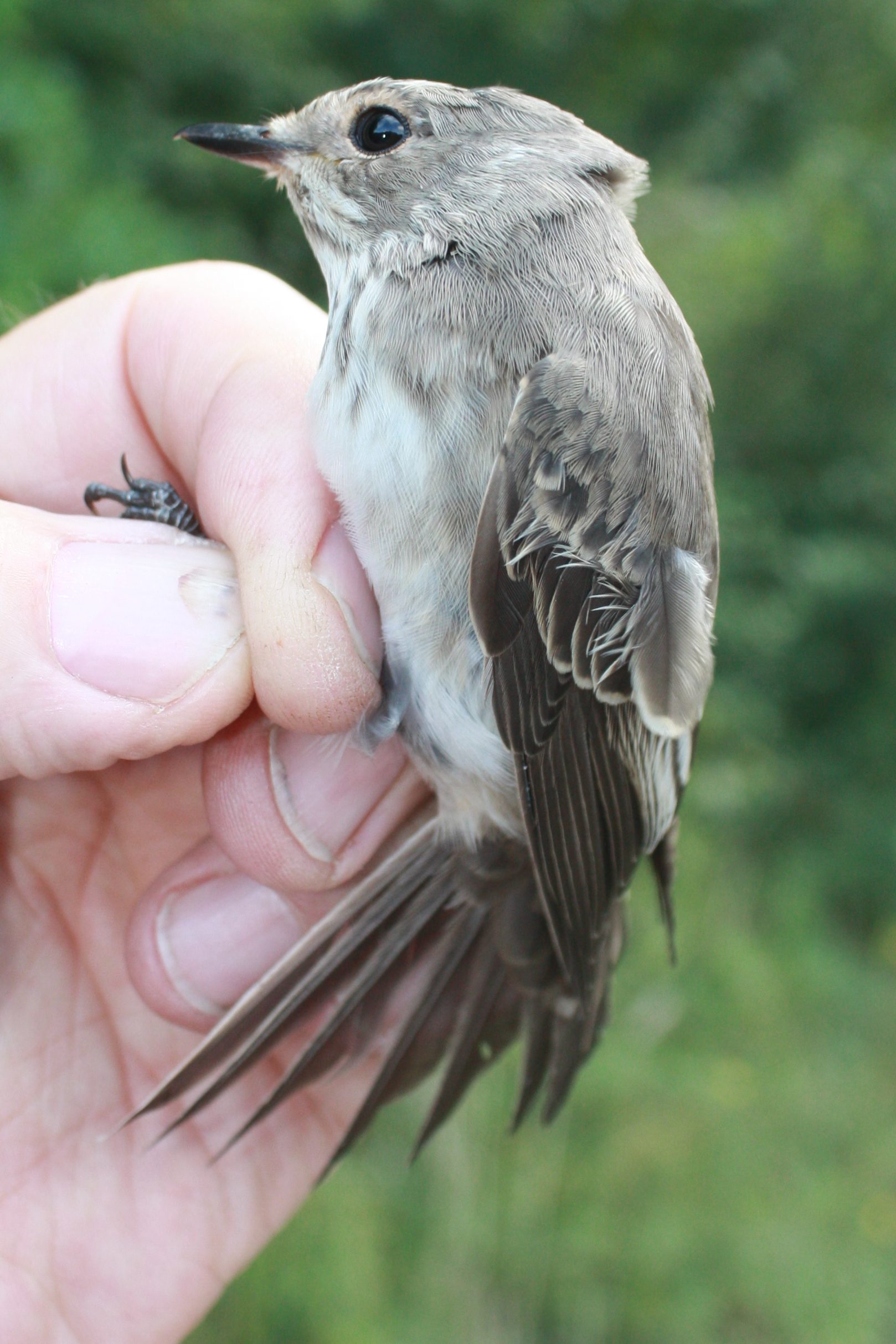
There were lots of other highlights for each site: return of Spotted Flycatcher to the Firs, the first place in the Braydon Forest that we ever caught them:
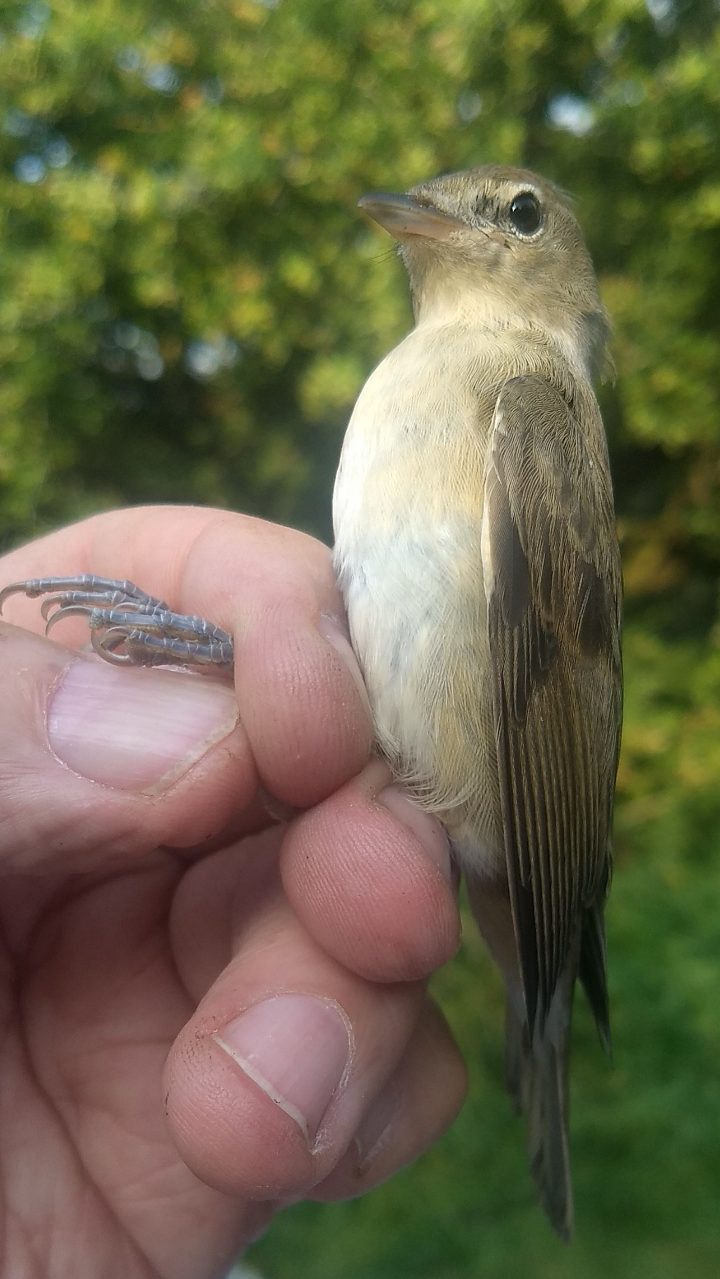
Perhaps better than that, though, having caught our first Garden Warbler for the Firs in 2019, and three more last year, all adults, this year we caught another three but this time, in June, we caught a recently fledged juvenile, which is pretty good proof of breeding at the site. We haven’t had that before:
Anyway, it has been an excellent year on so many fronts, all of the details are in the attached report.
 Ringing In The Braydon Forest & Beyond